The Hidden Table logo

The Hidden Table

Caribbean Culinary Studio

Caribbean Library

Ingredients

A living guide to 300 Caribbean ingredients: their flavors, stories, kitchen uses, and place at the table.

Explore roots, fruits, herbs, seafood, cacao, spices, and local produce that inspire The Hidden Table's cooking.

300 ingredientsShowing 36
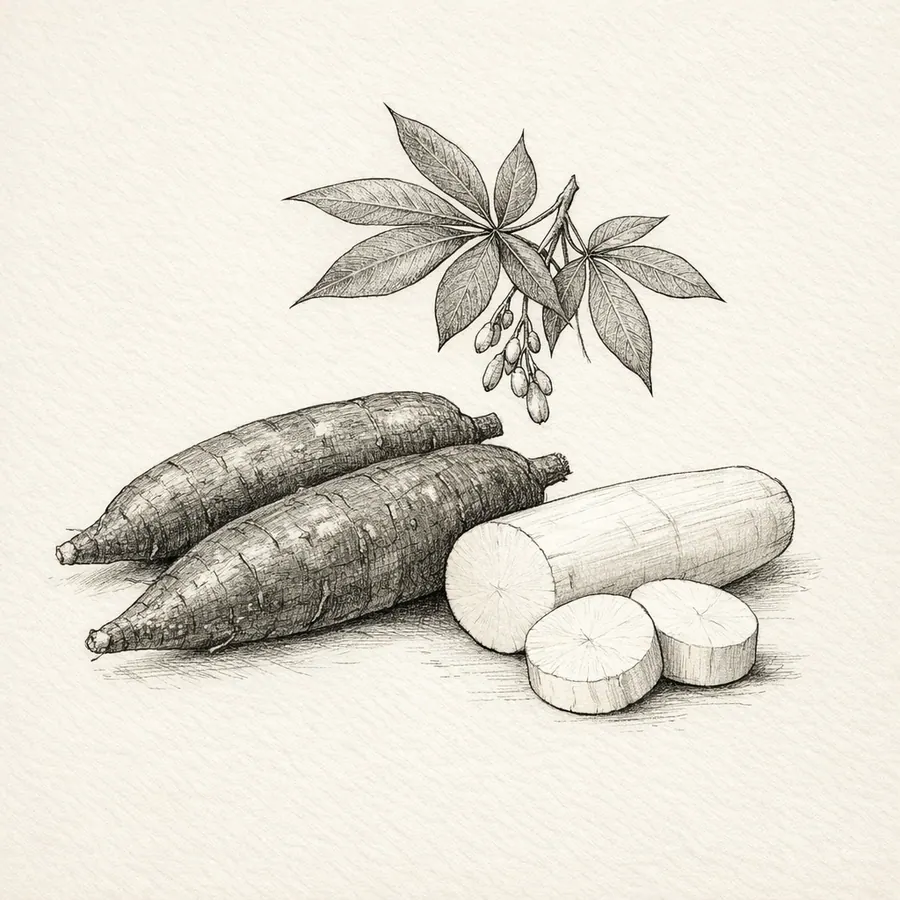
Realistic botanical illustration of Yuca for The Hidden Table ingredient library
rootIngredient

Yuca

Yuca is a root ingredient whose culinary character is mild, starchy and substantial, with texture determined by moisture and heat. The practical starting point is to prepare the edible form correctly, then boil, steam, roast, fry or grind according to the dish. Variety, freshness and the exact edible form still matter, so the cook should taste and assess the ingredient before assigning its role in the dish.

Open Ingredient
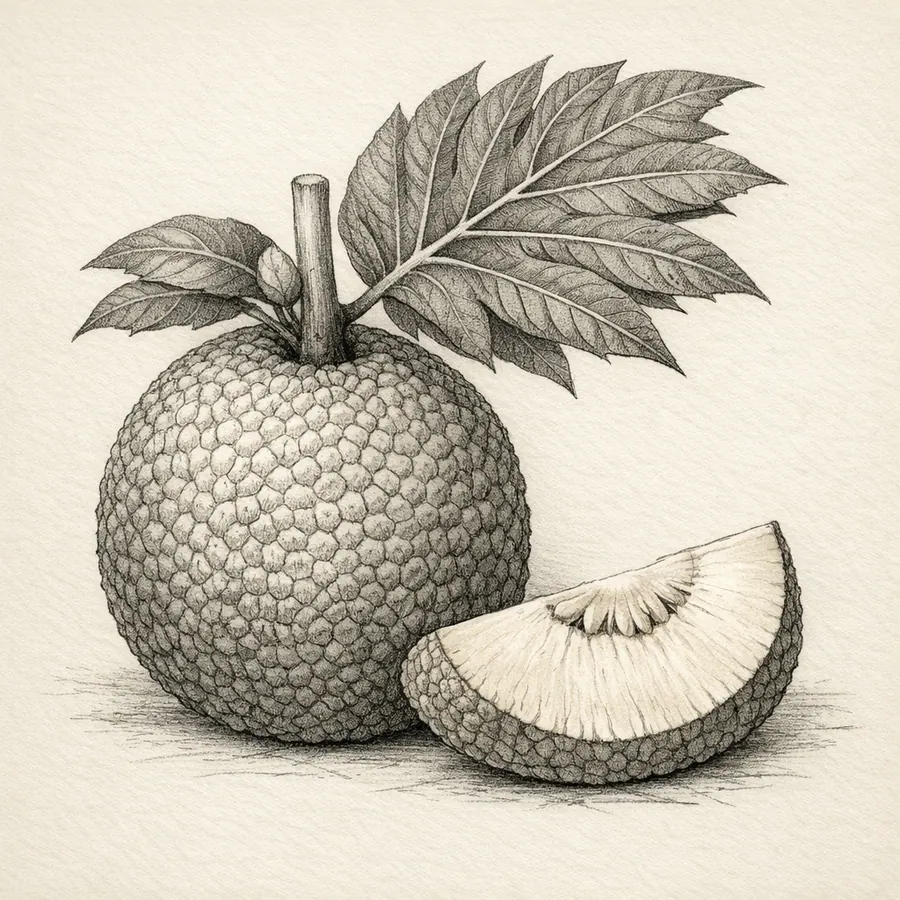
Realistic botanical illustration of Breadfruit for The Hidden Table ingredient library
starchIngredient

Breadfruit

Breadfruit is a staple ingredient whose culinary character is mild, starchy and substantial, with texture determined by moisture and heat. The practical starting point is to prepare the edible form correctly, then boil, steam, roast, fry or grind according to the dish. Variety, freshness and the exact edible form still matter, so the cook should taste and assess the ingredient before assigning its role in the dish.

Open Ingredient
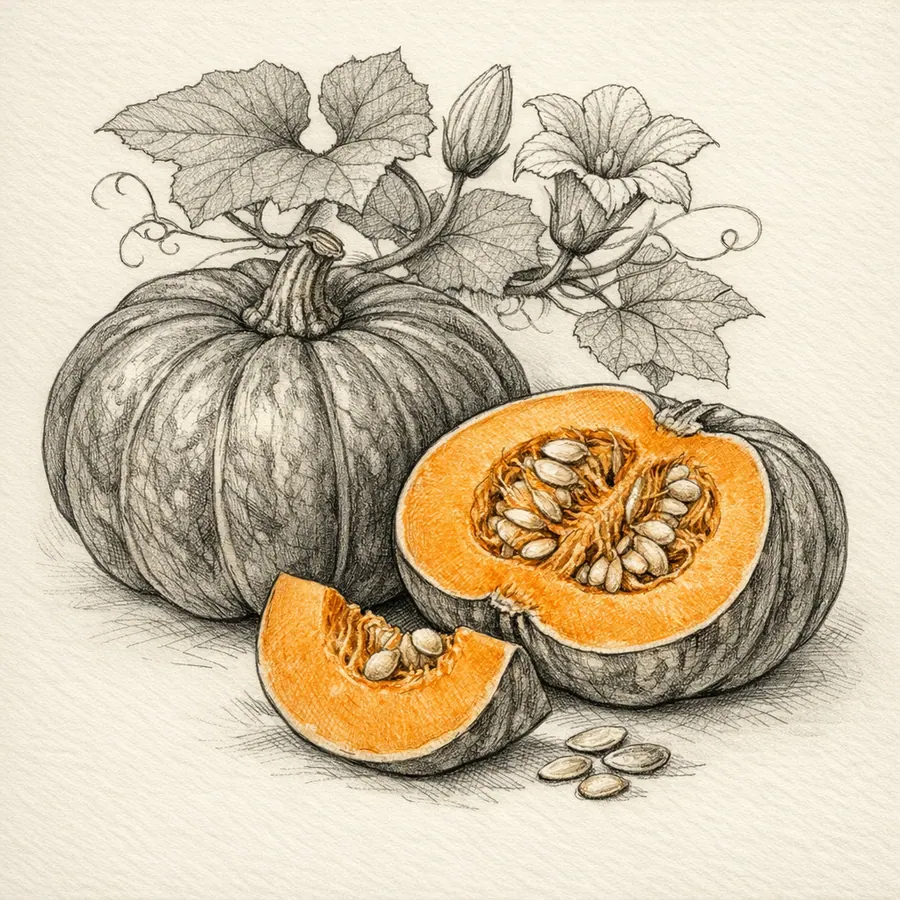
Realistic botanical illustration of Auyama for The Hidden Table ingredient library
vegetableIngredient

Auyama

Auyama is a vegetable ingredient whose culinary character is vegetal and fresh, with firmness, bitterness and moisture changing through heat or acid. The practical starting point is to wash carefully and choose raw, charred, wilted, braised or pickled preparation to suit the edible part. Variety, freshness and the exact edible form still matter, so the cook should taste and assess the ingredient before assigning its role in the dish.

Open Ingredient
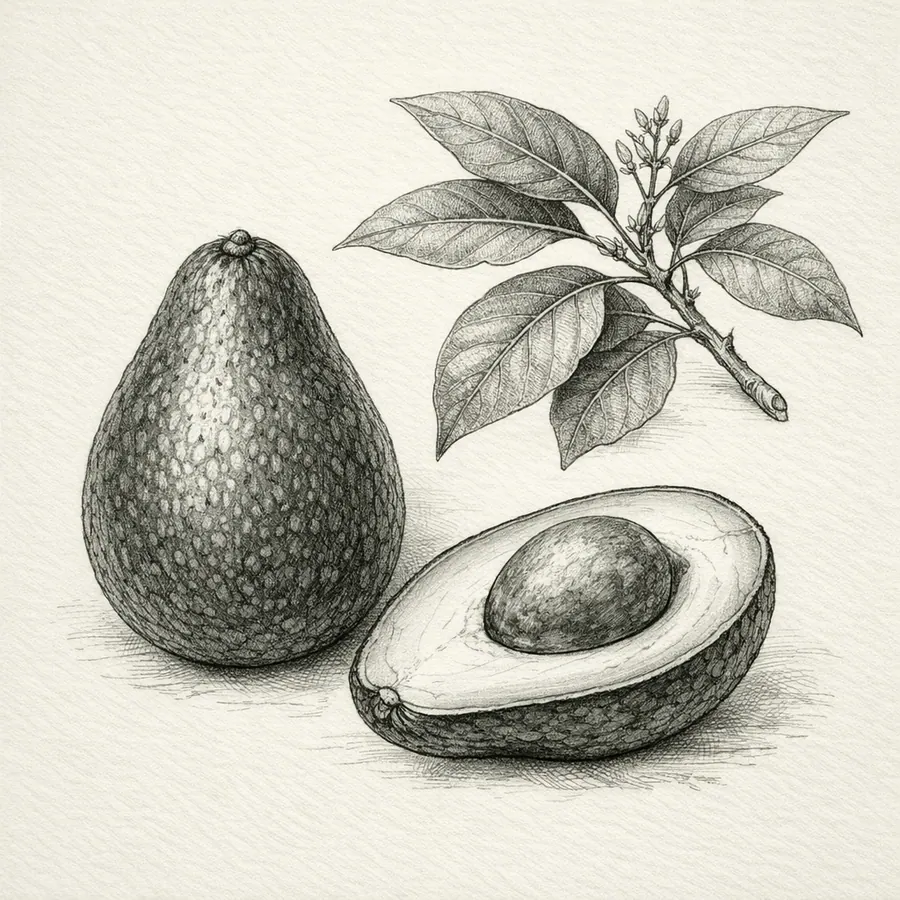
Realistic botanical illustration of Avocado for The Hidden Table ingredient library
fruitIngredient

Avocado

Avocado is a fruit ingredient whose culinary character is fresh, fragrant and shaped by ripeness, balancing sweetness, acidity and texture. The practical starting point is to select the right maturity, remove inedible parts and use raw, cooked or preserved as appropriate. Variety, freshness and the exact edible form still matter, so the cook should taste and assess the ingredient before assigning its role in the dish.

Open Ingredient
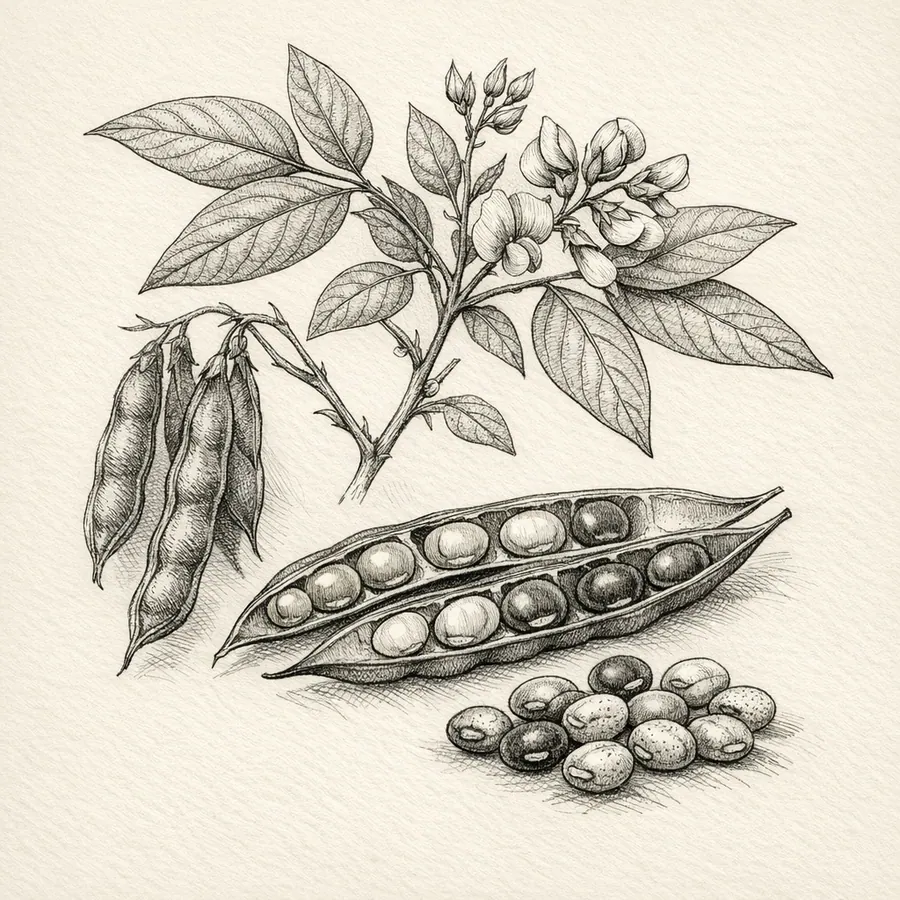
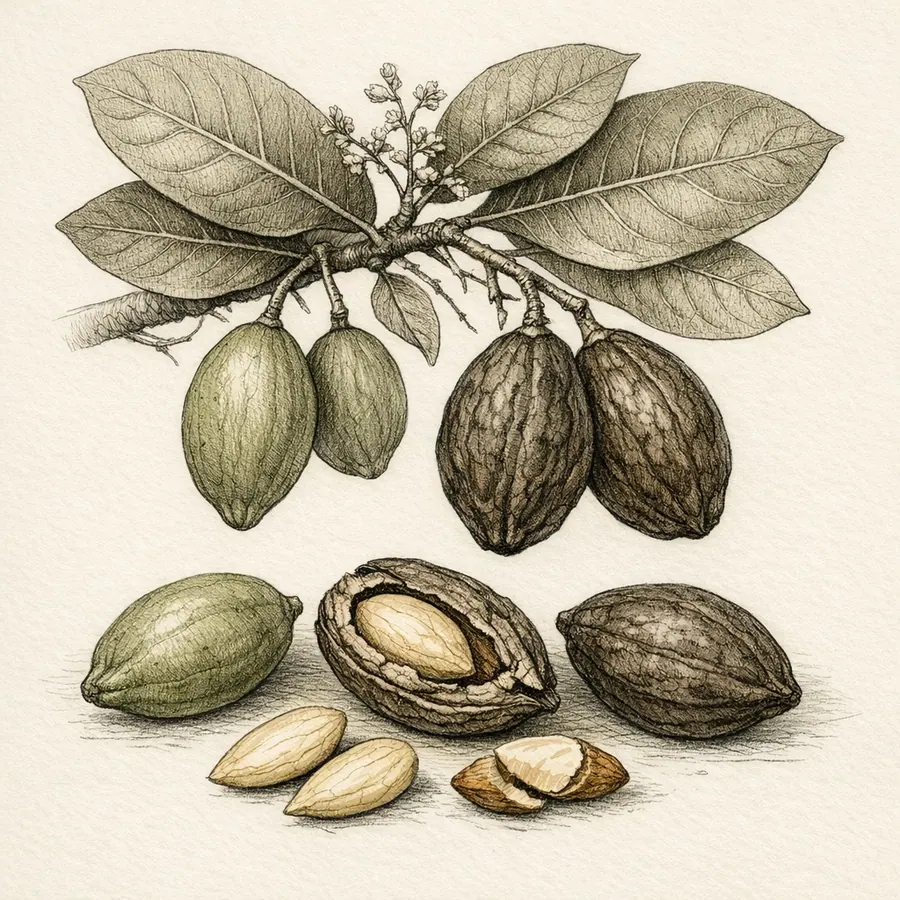
Realistic botanical illustration of Tropical almond for The Hidden Table ingredient library
nutIngredient

Tropical almond

Tropical almond is a nut ingredient whose culinary character is concentrated and practical, designed to season, bind, preserve or finish a dish. The practical starting point is to check the product label, measure it and adjust in small additions. Variety, freshness and the exact edible form still matter, so the cook should taste and assess the ingredient before assigning its role in the dish.

Open Ingredient
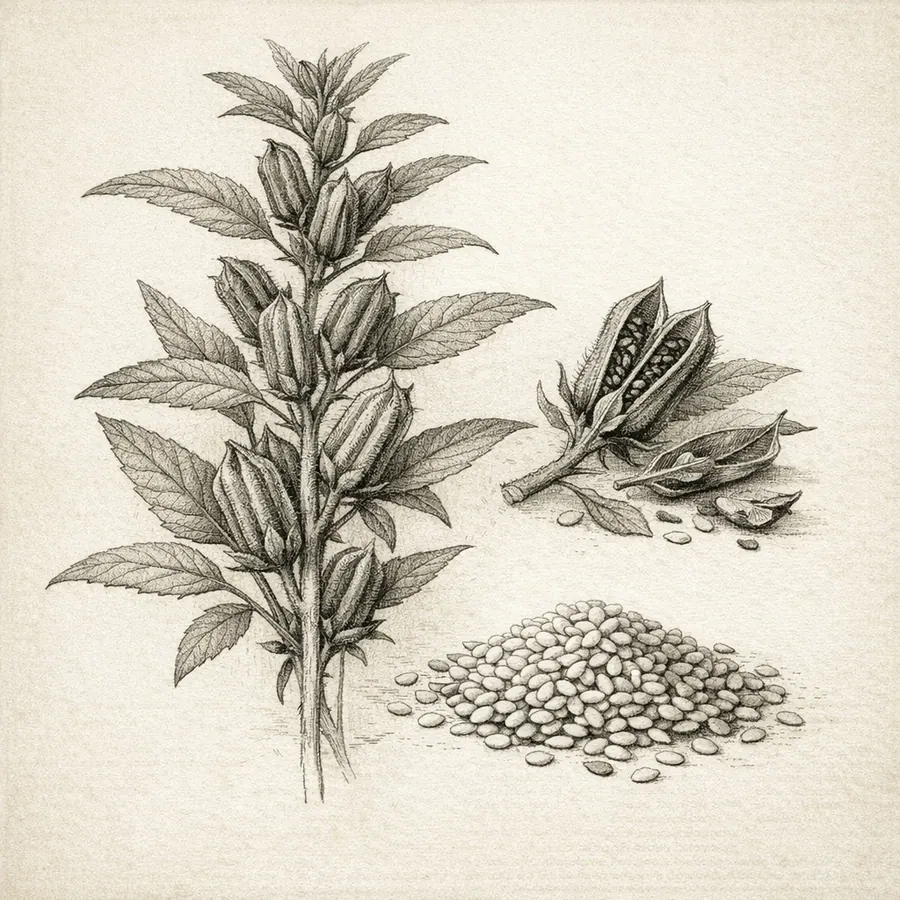
Realistic botanical illustration of Pigeon peas for The Hidden Table ingredient library
legumeIngredient

Pigeon peas

Pigeon peas, called guandules in the Dominican Republic, are legumes used fresh, dried or canned. Fresh peas are greener in flavor; dried peas need a longer cooking time.

Open Ingredient
Realistic botanical illustration of Sesame for The Hidden Table ingredient library
seedIngredient

Sesame

Sesame is a seed ingredient whose culinary character is aromatic and concentrated, contributing fragrance, warmth, color or heat in small amounts. The practical starting point is to confirm the culinary form, then chop, toast, grind, steep or bloom it without overwhelming the dish. Variety, freshness and the exact edible form still matter, so the cook should taste and assess the ingredient before assigning its role in the dish.

Open Ingredient
The Hidden Table botanical illustration of Cocoa butter
fatIngredient

Cocoa butter

Cocoa butter is the pale fat extracted from cacao beans. It contains no milk butter; its aroma depends on whether it has been deodorized.

Open Ingredient
The Hidden Table botanical illustration of Corn
grainIngredient

Corn

Corn is a grain ingredient whose culinary character is mild, starchy and substantial, with texture determined by moisture and heat. The practical starting point is to prepare the edible form correctly, then boil, steam, roast, fry or grind according to the dish. Variety, freshness and the exact edible form still matter, so the cook should taste and assess the ingredient before assigning its role in the dish.

Open Ingredient
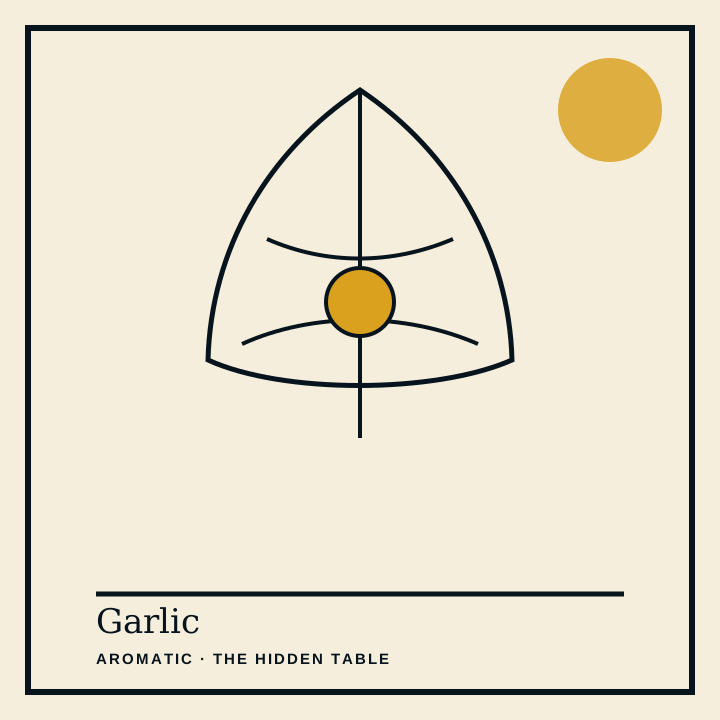
The Hidden Table botanical illustration of Garlic
aromaticIngredient

Garlic

Garlic is a aromatic ingredient whose culinary character is aromatic and concentrated, contributing fragrance, warmth, color or heat in small amounts. The practical starting point is to confirm the culinary form, then chop, toast, grind, steep or bloom it without overwhelming the dish. Variety, freshness and the exact edible form still matter, so the cook should taste and assess the ingredient before assigning its role in the dish.

Open Ingredient
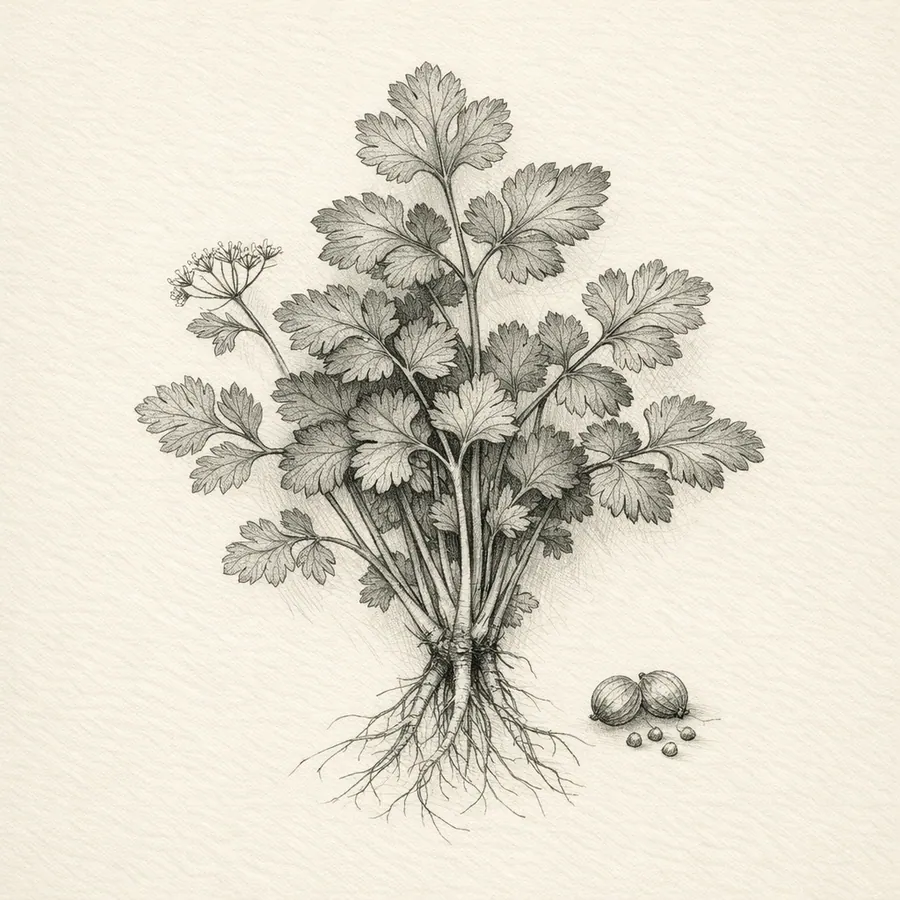
Realistic botanical illustration of Cilantro for The Hidden Table ingredient library
herbIngredient

Cilantro

Cilantro is a herb ingredient whose culinary character is aromatic and concentrated, contributing fragrance, warmth, color or heat in small amounts. The practical starting point is to confirm the culinary form, then chop, toast, grind, steep or bloom it without overwhelming the dish. Variety, freshness and the exact edible form still matter, so the cook should taste and assess the ingredient before assigning its role in the dish.

Open Ingredient
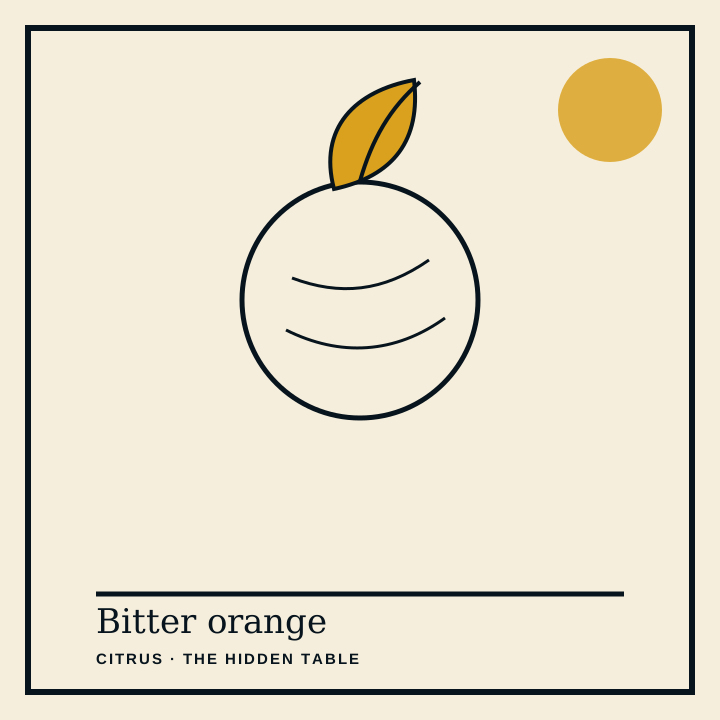
The Hidden Table botanical illustration of Bitter orange
citrusIngredient

Bitter orange

Bitter orange is a citrus fruit ingredient whose culinary character is aromatic and concentrated, contributing fragrance, warmth, color or heat in small amounts. The practical starting point is to confirm the culinary form, then chop, toast, grind, steep or bloom it without overwhelming the dish. Variety, freshness and the exact edible form still matter, so the cook should taste and assess the ingredient before assigning its role in the dish.

Open Ingredient
The Hidden Table botanical illustration of Ají gustoso
pepperIngredient

Ají gustoso

Ají gustoso is a pepper ingredient whose culinary character is aromatic and concentrated, contributing fragrance, warmth, color or heat in small amounts. The practical starting point is to confirm the culinary form, then chop, toast, grind, steep or bloom it without overwhelming the dish. Variety, freshness and the exact edible form still matter, so the cook should taste and assess the ingredient before assigning its role in the dish.

Open Ingredient

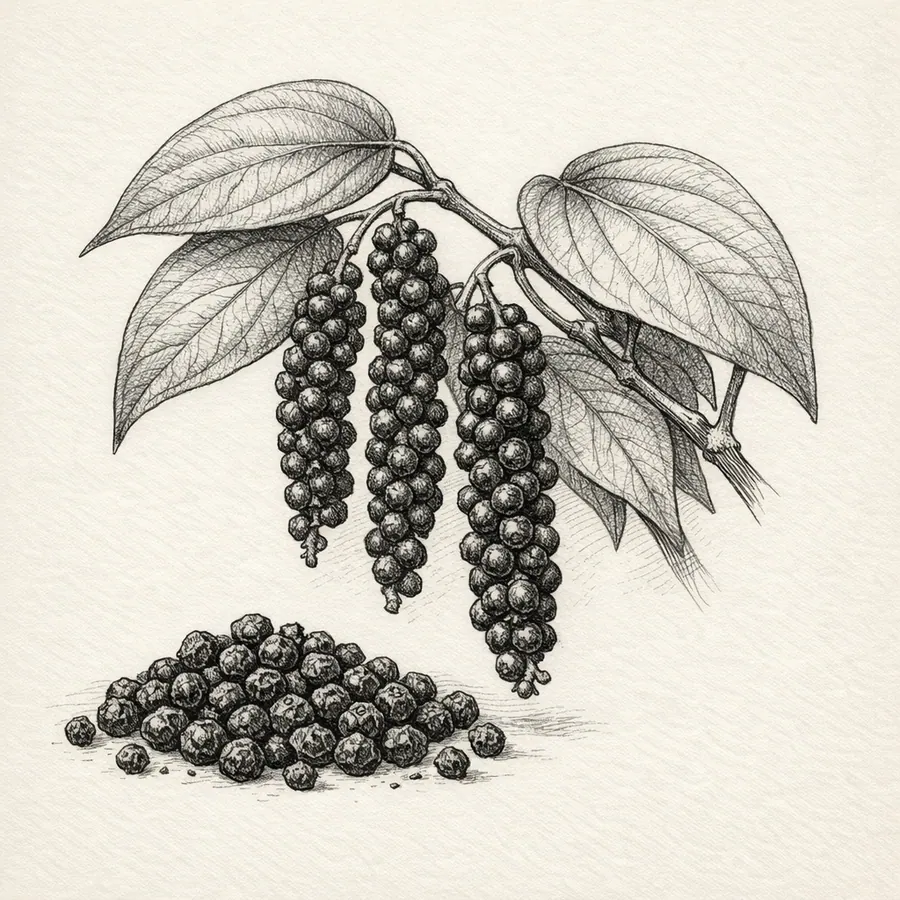
Realistic botanical illustration of Black pepper for The Hidden Table ingredient library
spiceIngredient

Black pepper

Black pepper is a spice ingredient whose culinary character is aromatic and concentrated, contributing fragrance, warmth, color or heat in small amounts. The practical starting point is to confirm the culinary form, then chop, toast, grind, steep or bloom it without overwhelming the dish. Variety, freshness and the exact edible form still matter, so the cook should taste and assess the ingredient before assigning its role in the dish.

Open Ingredient
The Hidden Table botanical illustration of Hibiscus
flowerIngredient

Hibiscus

Culinary hibiscus usually means the dried red calyces of Hibiscus sabdariffa, sold as flor de Jamaica or sorrel. These are not interchangeable with unidentified ornamental hibiscus flowers.

Open Ingredient
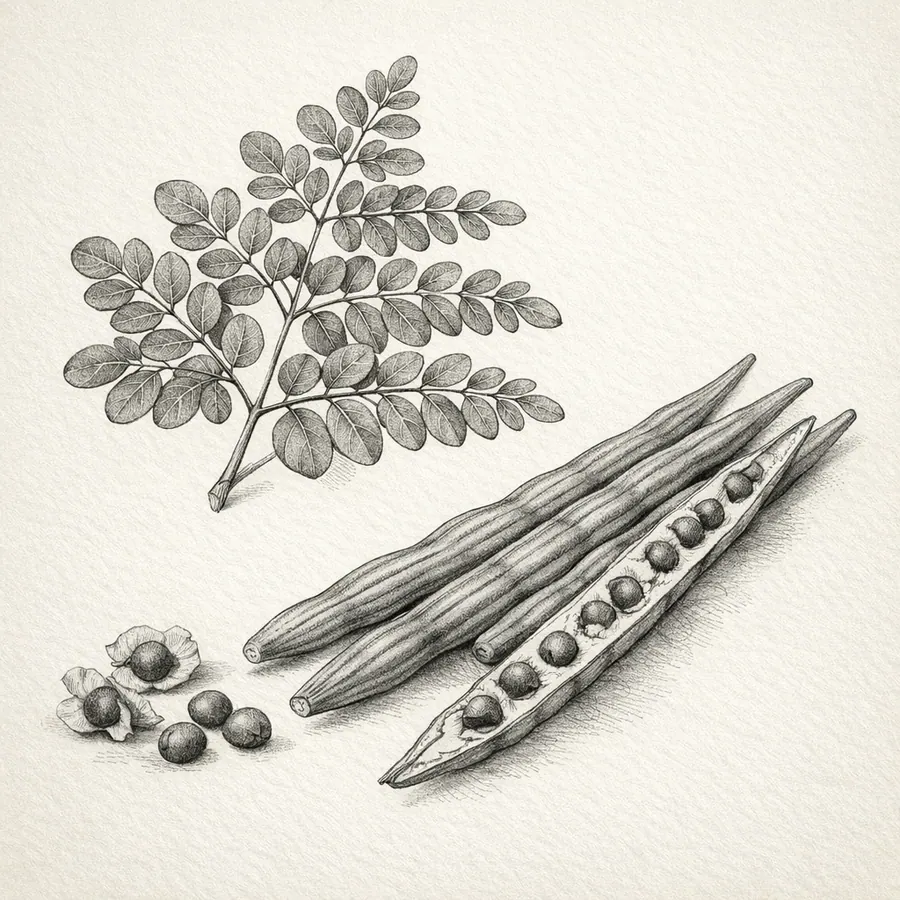
Realistic botanical illustration of Moringa for The Hidden Table ingredient library
leafIngredient

Moringa

Moringa is a leaf ingredient whose culinary character is vegetal and fresh, with firmness, bitterness and moisture changing through heat or acid. The practical starting point is to wash carefully and choose raw, charred, wilted, braised or pickled preparation to suit the edible part. Variety, freshness and the exact edible form still matter, so the cook should taste and assess the ingredient before assigning its role in the dish.

Open Ingredient
The Hidden Table botanical illustration of Coconut milk
liquidIngredient

Coconut milk

Coconut milk is a culinary liquid ingredient whose culinary character is round, creamy or silky, carrying aroma and softening sharp flavors. The practical starting point is to measure for richness, manage heat gently and balance with acid, herbs or spice. Variety, freshness and the exact edible form still matter, so the cook should taste and assess the ingredient before assigning its role in the dish.

Open Ingredient
The Hidden Table botanical illustration of Sugar cane
sweetenerIngredient

Sugar cane

Sugar cane is a sweetener ingredient whose culinary character is sweet and often toasted, floral or fruity, adding body as well as sweetness. The practical starting point is to measure carefully and balance with acidity, salt or spice so the finish stays clear. Variety, freshness and the exact edible form still matter, so the cook should taste and assess the ingredient before assigning its role in the dish.

Open Ingredient
The Hidden Table botanical illustration of Sea salt
mineralIngredient

Sea salt

Sea salt is crystallized from seawater. Its crystal size changes how quickly it dissolves and how much fits in a spoon; salt by weight for repeatable seasoning.

Open Ingredient
The Hidden Table botanical illustration of Vinegar
acidIngredient

Vinegar

Vinegar is a acidic seasoning ingredient whose culinary character is bright and sharp, lifting rich food and changing texture as well as flavor. The practical starting point is to add gradually, taste between additions and avoid reactive storage vessels. Variety, freshness and the exact edible form still matter, so the cook should taste and assess the ingredient before assigning its role in the dish.

Open Ingredient
The Hidden Table botanical illustration of Cassareep
sauceIngredient

Cassareep

Cassareep is a sauce ingredient whose culinary character is concentrated and practical, designed to season, bind, preserve or finish a dish. The practical starting point is to check the product label, measure it and adjust in small additions. Variety, freshness and the exact edible form still matter, so the cook should taste and assess the ingredient before assigning its role in the dish.

Open Ingredient
The Hidden Table botanical illustration of Sofrito
baseIngredient

Sofrito

Sofrito is a seasoning base ingredient whose culinary character is concentrated and practical, designed to season, bind, preserve or finish a dish. The practical starting point is to check the product label, measure it and adjust in small additions. Variety, freshness and the exact edible form still matter, so the cook should taste and assess the ingredient before assigning its role in the dish.

Open Ingredient
The Hidden Table botanical illustration of Pikliz
pickleIngredient

Pikliz

Pikliz is a pickle ingredient whose culinary character is concentrated and practical, designed to season, bind, preserve or finish a dish. The practical starting point is to check the product label, measure it and adjust in small additions. Variety, freshness and the exact edible form still matter, so the cook should taste and assess the ingredient before assigning its role in the dish.

Open Ingredient
The Hidden Table botanical illustration of Tamarind paste
pasteIngredient

Tamarind paste

Tamarind paste is pulp separated from the fruit’s brittle shell, fibers and seeds. Unsweetened paste, sweetened paste and concentrated extract differ greatly in strength.

Open Ingredient
The Hidden Table botanical illustration of Sea moss
seaIngredient

Sea moss

Sea moss is a market name used for several red seaweeds, not one guaranteed species. Prepared gels vary in concentration and are not interchangeable by spoonful.

Open Ingredient
The Hidden Table botanical illustration of Conch
seafoodIngredient

Conch

Conch is a seafood ingredient whose culinary character is briny, clean or gently sweet, with texture that changes quickly under heat. The practical starting point is to keep it cold, prepare it cleanly and control cooking time. Variety, freshness and the exact edible form still matter, so the cook should taste and assess the ingredient before assigning its role in the dish.

Open Ingredient
The Hidden Table botanical illustration of Snapper
fishIngredient

Snapper

Snapper is a fish ingredient whose culinary character is briny, clean or gently sweet, with texture that changes quickly under heat. The practical starting point is to keep it cold, prepare it cleanly and control cooking time. Variety, freshness and the exact edible form still matter, so the cook should taste and assess the ingredient before assigning its role in the dish.

Open Ingredient
The Hidden Table botanical illustration of Goat
meatIngredient

Goat

Goat is a meat ingredient whose culinary character is savory and substantial, with connective tissue, fat and cut determining tenderness. The practical starting point is to season deliberately and choose quick or slow cooking to suit the cut. Variety, freshness and the exact edible form still matter, so the cook should taste and assess the ingredient before assigning its role in the dish.

Open Ingredient
The Hidden Table botanical illustration of Egg
proteinIngredient

Egg

Egg is a protein ingredient whose culinary character is savory and substantial, with connective tissue, fat and cut determining tenderness. The practical starting point is to season deliberately and choose quick or slow cooking to suit the cut. Variety, freshness and the exact edible form still matter, so the cook should taste and assess the ingredient before assigning its role in the dish.

Open Ingredient
The Hidden Table botanical illustration of Queso de freír
dairyIngredient

Queso de freír

Queso de freír is a dairy ingredient ingredient whose culinary character is round, creamy or silky, carrying aroma and softening sharp flavors. The practical starting point is to measure for richness, manage heat gently and balance with acid, herbs or spice. Variety, freshness and the exact edible form still matter, so the cook should taste and assess the ingredient before assigning its role in the dish.

Open Ingredient
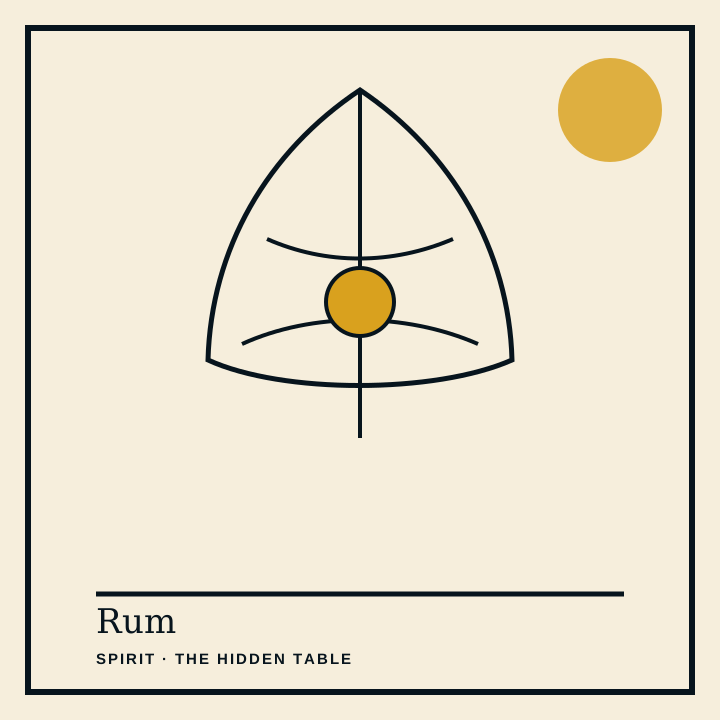
The Hidden Table botanical illustration of Rum
spiritIngredient

Rum

Rum is a distilled alcoholic spirit made from sugarcane-derived material. White and aged rums have different aromas; neither is interchangeable with a nonalcoholic syrup.

Open Ingredient
The Hidden Table botanical illustration of Cacao tea
drinkIngredient

Cacao tea

Cacao tea is a drink ingredient whose culinary character is aromatic and extractive, with strength controlled by dose, water temperature and steeping time. The practical starting point is to use a beverage-grade product and follow its labeled brewing guidance. Variety, freshness and the exact edible form still matter, so the cook should taste and assess the ingredient before assigning its role in the dish.

Open Ingredient
The Hidden Table botanical illustration of Aloe
plantIngredient

Aloe

Aloe is a plant product ingredient whose culinary character is concentrated and practical, designed to season, bind, preserve or finish a dish. The practical starting point is to check the product label, measure it and adjust in small additions. Variety, freshness and the exact edible form still matter, so the cook should taste and assess the ingredient before assigning its role in the dish.

Open Ingredient
The Hidden Table botanical illustration of Guava jelly
preserveIngredient

Guava jelly

Guava jelly is a preserve ingredient whose culinary character is sweet and often toasted, floral or fruity, adding body as well as sweetness. The practical starting point is to measure carefully and balance with acidity, salt or spice so the finish stays clear. Variety, freshness and the exact edible form still matter, so the cook should taste and assess the ingredient before assigning its role in the dish.

Open Ingredient
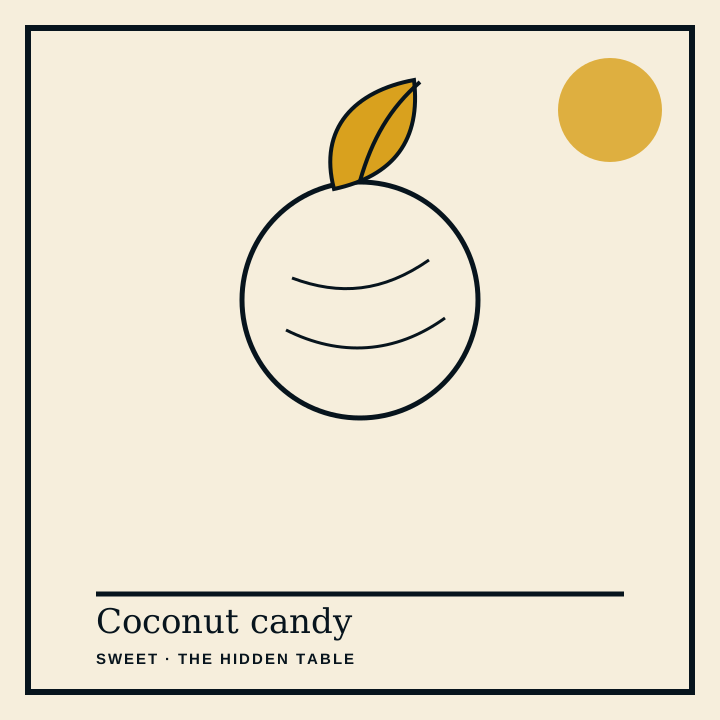
The Hidden Table botanical illustration of Coconut candy
sweetIngredient

Coconut candy

Coconut candy is a sweet ingredient whose culinary character is sweet and often toasted, floral or fruity, adding body as well as sweetness. The practical starting point is to measure carefully and balance with acidity, salt or spice so the finish stays clear. Variety, freshness and the exact edible form still matter, so the cook should taste and assess the ingredient before assigning its role in the dish.

Open Ingredient
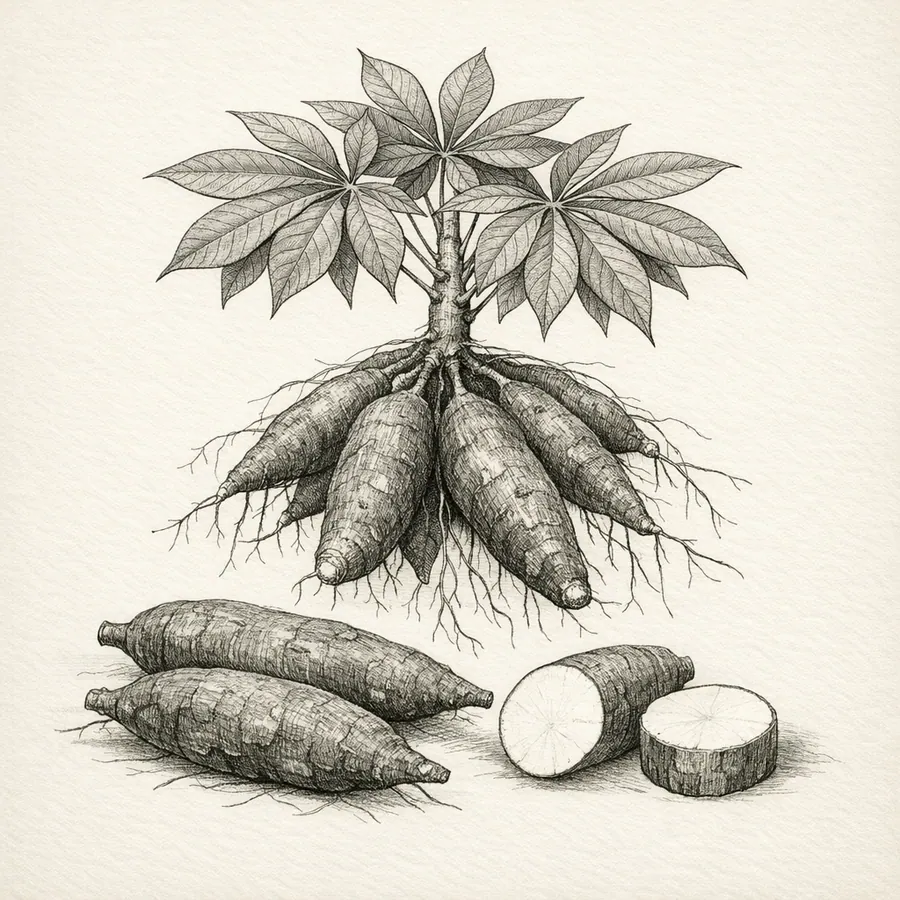
Realistic botanical illustration of Sweet yuca for The Hidden Table ingredient library
rootIngredient
Sweet yuca

Sweet yuca is a root ingredient whose culinary character is mild, starchy and substantial, with texture determined by moisture and heat. The practical starting point is to prepare the edible form correctly, then boil, steam, roast, fry or grind according to the dish. Variety, freshness and the exact edible form still matter, so the cook should taste and assess the ingredient before assigning its role in the dish.
Open Ingredient