
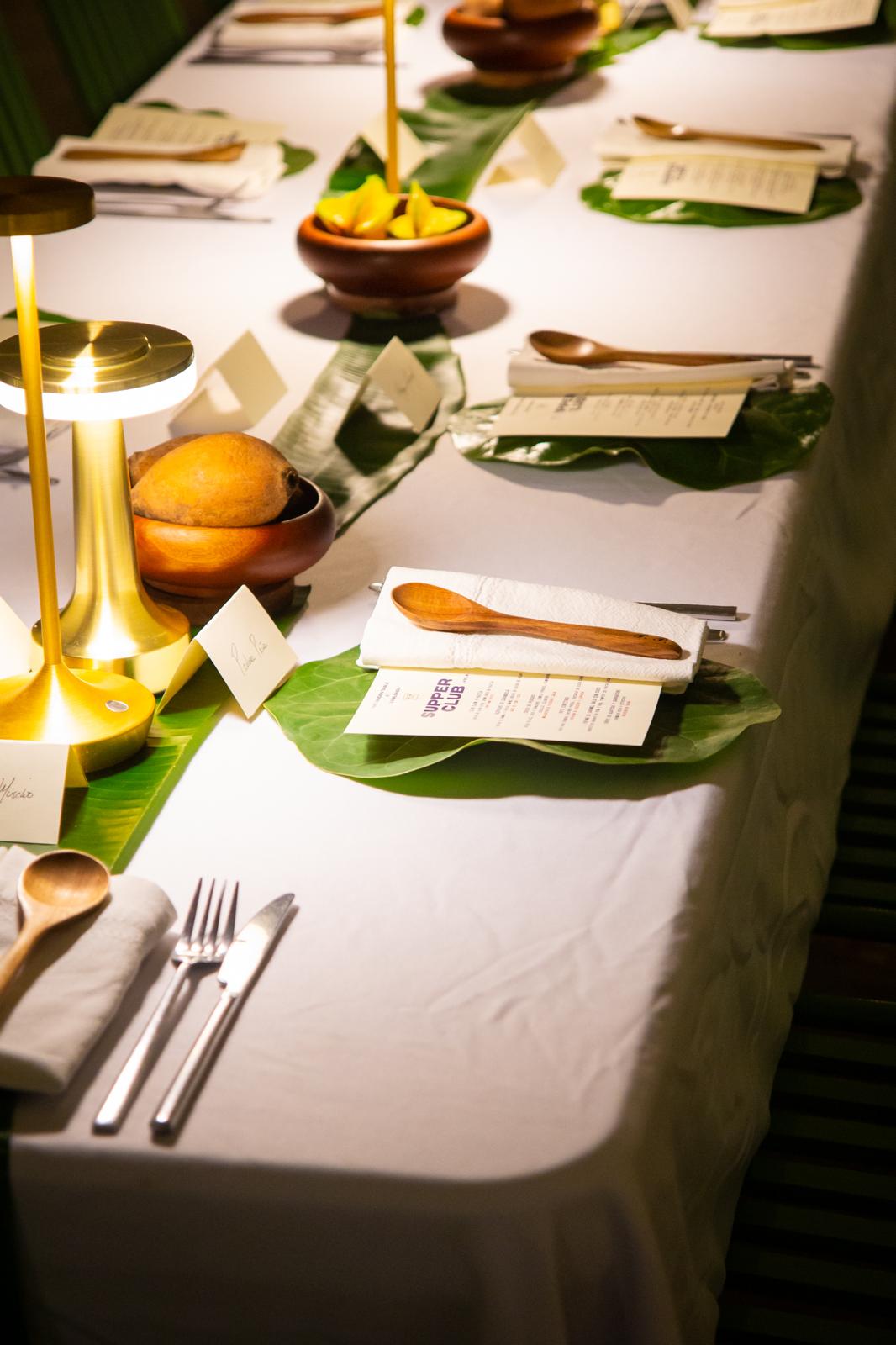
Villa Dinner Rain Plan: When and How to Move Indoors
Prepare an indoor backup for a villa dinner: seating, a covered service route, cooking changes and the decision to move before tables are set.
An outdoor villa dinner needs an indoor plan that can actually serve the same guests. A roof alone is not enough if the replacement space has fewer chairs, no lighting or a long uncovered route from the kitchen. Decide where the meal will move before deciding how the table will look.
This guide concerns event-day weather decisions, not a prediction about a particular month or destination. Use the forecast and property conditions for your date. The chef and property contact should agree who makes the move indoors and how that decision reaches the rest of the team.
Before setup, check INDOMET’s official weather report (Spanish) and its issue and validity dates. Use the forecast for your province with the property contact; this article does not reproduce a forecast that will go out of date.
Set the decision time before setup
For example, if dinner starts at 7:00, choose a weather decision point before the team dresses the tables. The exact hour depends on setup time and the property. Once the indoor plan is selected, avoid moving everything back outside simply because a shower stops for a few minutes.
Walk the route with the property contact: kitchen to plating area, plating area to table, and table to clearing point. Check shelter along the whole route rather than only above the guests. A dry dining room is not enough if every plate must cross an exposed courtyard.
Change the finishing work, not just the seats
An illustrative outdoor menu might include a crisp welcome bite, grilled fish with rice, and fruit for dessert. If rain removes reliable access to the grill, the chef must approve a different cooking method before groceries are purchased or preparation starts. Moving the same ingredients indoors does not guarantee the same result.
Keep crisp garnishes separate until the plate leaves the kitchen. Avoid arranging delicate fried bites outside while waiting for guests to finish photographs. A prepared vegetable dish or an agreed warm first course may suit a delayed start better, depending on the kitchen and menu.
Separate weather changes from ingredient changes
If the fruit or produce ordered is not suitable, agree a substitution for its purpose in the dish. Pineapple and passion fruit can both contribute acidity, but they do not have the same texture or portion size. Yuca, plantain and tayota also require different preparation; changing one for another needs a recipe decision.
Write down the revised dish and any changed dietary information. The host should receive one current menu, not discover a substitution when the plate reaches the table. Keep the explanation short and specific to what is actually being served.
Assign the final move
The property contact confirms access and furniture, the dining team confirms the service route, and the host communicates the seating change to guests. Agree who relocates tableware and who keeps the kitchen clear during that move. Do not add furniture-carrying to the chef's duties without discussing staffing.
Send The Hidden Table photographs of both dining spaces, the date, guest count and setup window with your private dining request. Ask for a menu that can be finished in the confirmed kitchen and a clear decision point for moving indoors.
Explore the ingredients
Discover Caribbean uses, preparation tips and recipes in our ingredient library.
Sources and Further Reading
Next experience
Book a table with The Hidden Table
Send your date, group size, and dietary notes, or reserve the next upcoming experience to experience Aurora's cooking in person.
More Articles
How to Plan a Chef-Led Tasting Menu in Punta Cana
A practical Punta Cana tasting-menu guide covering course rhythm, local flavor, villa constraints, guest comfort, staffing, and booking details.
Read Article
Coconut and Seafood: Build Contrast Across Three Courses
Build a three-course seafood menu with a single coconut preparation, contrasting textures and a lighter dessert. Includes a practical menu example.
Read ArticleA Seafood Dinner Timeline: From Delivery to the Table
Plan seafood delivery, refrigerator space and final cooking for a villa dinner, with an example evening schedule and a clear response to late arrivals.
Read Article