
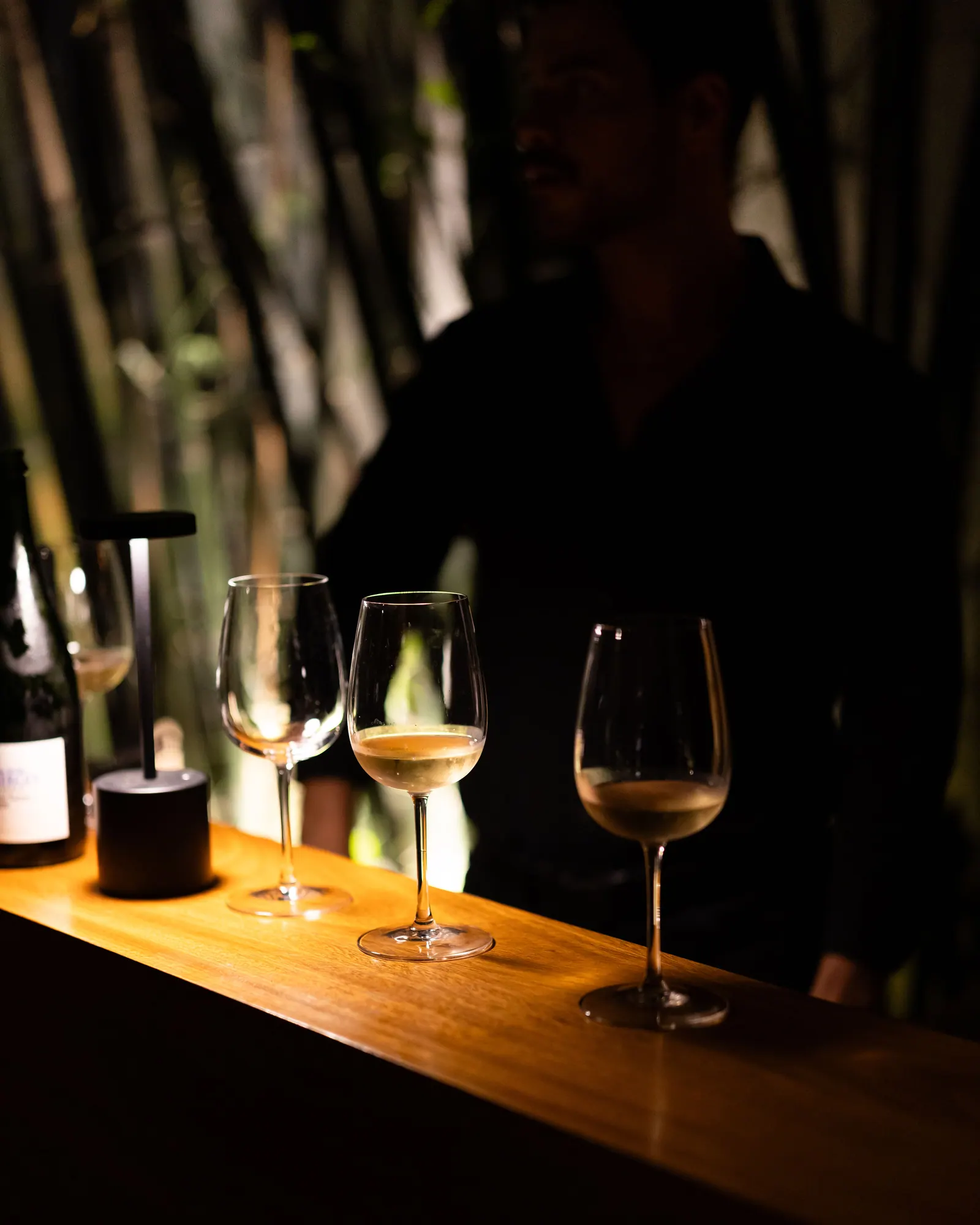
How to Plan a Chef-Led Tasting Menu in Punta Cana
A practical Punta Cana tasting-menu guide covering course rhythm, local flavor, villa constraints, guest comfort, staffing, and booking details.
A tasting menu in a Punta Cana villa needs a clear sequence and a comfortable pace. Decide how long guests want to spend at the table and how much explanation they would enjoy. Those choices help the chef plan portions, pauses and the number of courses.
As an illustrative starting point, five focused courses over roughly two and a half hours create enough room for discovery without turning dinner into an endurance test. The menu can carry Dominican and Caribbean flavor through technique, sequence, and context while still respecting the villa kitchen and the people at the table.
Begin with the reason for the tasting menu
A birthday group may want one celebratory peak. Culinary travelers may want a stronger sense of place. A couple hosting friends may prefer a slower, more conversational evening. Naming that purpose helps the chef decide where to surprise guests and where to give them something immediately recognizable.
The host should also decide how guided the evening should feel. Some groups enjoy a short explanation before every course. Others want the food to arrive with only a sentence of context so conversation remains central.
A useful five-course rhythm for Punta Cana
- **Welcome bite:** something bright and easy to eat while guests settle, such as a crisp bite with seafood, citrus, or fresh herbs.
- **Cold or lightly cooked opening:** a clean course that suits the coastal climate and introduces the menu without heaviness.
- **Vegetable, root, or grain course:** a change of texture between the opening and main course.
- **Main course:** the strongest savory statement, planned around the villa's equipment and the group's appetite.
- **Dessert or final sweet:** a restrained close that can carry cacao, fruit, coffee, spice, or another regional flavor.
This is a framework, not a fixed formula. The sequence should change with season, guest preferences, dietary needs, and what can be sourced well for the date.
Pace the dinner so guests stay curious
A private tasting menu needs pauses, but not long silences caused by a kitchen struggling to catch up. One illustrative rhythm is 15 to 25 minutes between courses, with the opening courses moving a little faster and the main course receiving more space.
Late arrivals should be discussed before the event. When one or two guests may arrive after service begins, the chef can design an opening that holds gracefully instead of compromising every course for the rest of the table.
Let Punta Cana shape the menu without becoming a theme
Punta Cana's coastal setting naturally supports freshness, acidity, seafood, fruit, and lighter openings. Dominican culinary context can appear through familiar techniques, sauces, textures, and service rituals rather than through a checklist of local ingredients.
Confirm the villa kitchen before finalizing courses
A beautiful tasting menu can fail if the kitchen has one weak burner, limited refrigeration, no usable oven, or too little plating space. Before confirming the menu, share kitchen photos or arrange a walkthrough. The chef should know what equipment is available, where deliveries can arrive, and whether outdoor service needs a weather backup.
Plated tasting menus also require enough hands. Even a small group may need a chef plus service support so courses leave the kitchen together, glasses remain attended, and the chef can focus on food rather than clearing plates.
Questions to answer before booking
- How many guests are attending, and are there children or mixed-age needs?
- Which allergies, dietary restrictions, or strong dislikes must shape the entire menu?
- Does the group want wine or cocktail pairing support?
- How much explanation should accompany each course?
- What kitchen equipment, tableware, and service space does the villa provide?
- What are the arrival time, target dinner start, and desired finish time?
Book a chef-led tasting menu with The Hidden Table
For booking arrangements, use the Punta Cana private chef guide. Add your preferred dinner length, dietary needs and expectations for explanations at the table to the request.
Explore the ingredients
Discover Caribbean uses, preparation tips and recipes in our ingredient library.
Next experience
Book a table with The Hidden Table
Send your date, group size, and dietary notes, or reserve the next upcoming experience to experience Aurora's cooking in person.
More Articles

Coconut and Seafood: Build Contrast Across Three Courses
Build a three-course seafood menu with a single coconut preparation, contrasting textures and a lighter dessert. Includes a practical menu example.
Read ArticleA Seafood Dinner Timeline: From Delivery to the Table
Plan seafood delivery, refrigerator space and final cooking for a villa dinner, with an example evening schedule and a clear response to late arrivals.
Read Article
Villa Dinner Rain Plan: When and How to Move Indoors
Prepare an indoor backup for a villa dinner: seating, a covered service route, cooking changes and the decision to move before tables are set.
Read Article