

Coconut and Seafood: Build Contrast Across Three Courses
Build a three-course seafood menu with a single coconut preparation, contrasting textures and a lighter dessert. Includes a practical menu example.
Coconut and seafood can be combined in several ways: a light broth, a sauce or a grilled main course with coconut rice. For a villa dinner, choose one of these treatments first. The rest of the menu should give the seafood contrast rather than repeat the same richness at every course.
A light broth and a reduced sauce give seafood different textures. Choose the treatment according to the portion and the rest of the meal. Check whether the coconut product is unsweetened; a sweetened cream will change the balance of a savory dish.
What coconut should do for seafood
Coconut should have a clear job before it enters the menu. It can soften chile, round out turmeric, carry herbs, give body to a sauce, or make a broth feel generous. It should not cover the seafood or make every course taste sweet.
For a host, the useful question is: do you want coconut as a gentle sauce, a fragrant broth, a rice note, a dessert bridge, or a welcome drink? One or two of those choices can feel elegant. All of them together can make the menu dull.
One illustrative three-course sequence
Begin with a cucumber and citrus salad dressed without coconut. Follow with shrimp in a lightly reduced coconut sauce, plain rice and herbs. Finish with pineapple and a small crisp biscuit instead of another creamy course. This is an example to discuss with the chef, not a fixed menu or a claim that every dish is a traditional Dominican preparation.
For a shared meal, keep sauce and rice in separate dishes so guests can control their portions. For a tasting format, reduce the shrimp portion and keep the salad first. Avoid adding coconut water, coconut rice and coconut dessert to this same sequence merely to repeat the theme.
What hosts should confirm
Ask how the team will keep seafood cold before cooking, how coconut sauce will be held, and what happens if guests are late. Confirm allergies, shellfish preferences, spice tolerance, and whether children need a simpler version.
Also confirm the sequence. Coconut seafood usually needs contrast nearby: bitter orange, lime, herbs, pickled vegetables, crisp plantain, or a clean salad. Without contrast, the table can feel full before the meal has really opened.
When to avoid coconut and seafood
Skip this direction when the villa has weak refrigeration, the group is arriving in waves, or the meal needs to sit outdoors for too long. Also avoid making coconut the repeated signature across appetizer, main, cocktail, and dessert.
For a specific preparation, see the shrimp with turmeric and ají tití recipe. Send The Hidden Table the chosen format and dietary needs through the private dining page, then agree portions and the surrounding courses.
Explore the ingredients
Discover Caribbean uses, preparation tips and recipes in our ingredient library.
Next experience
Book a table with The Hidden Table
Send your date, group size, and dietary notes, or reserve the next upcoming experience to experience Aurora's cooking in person.
More Articles
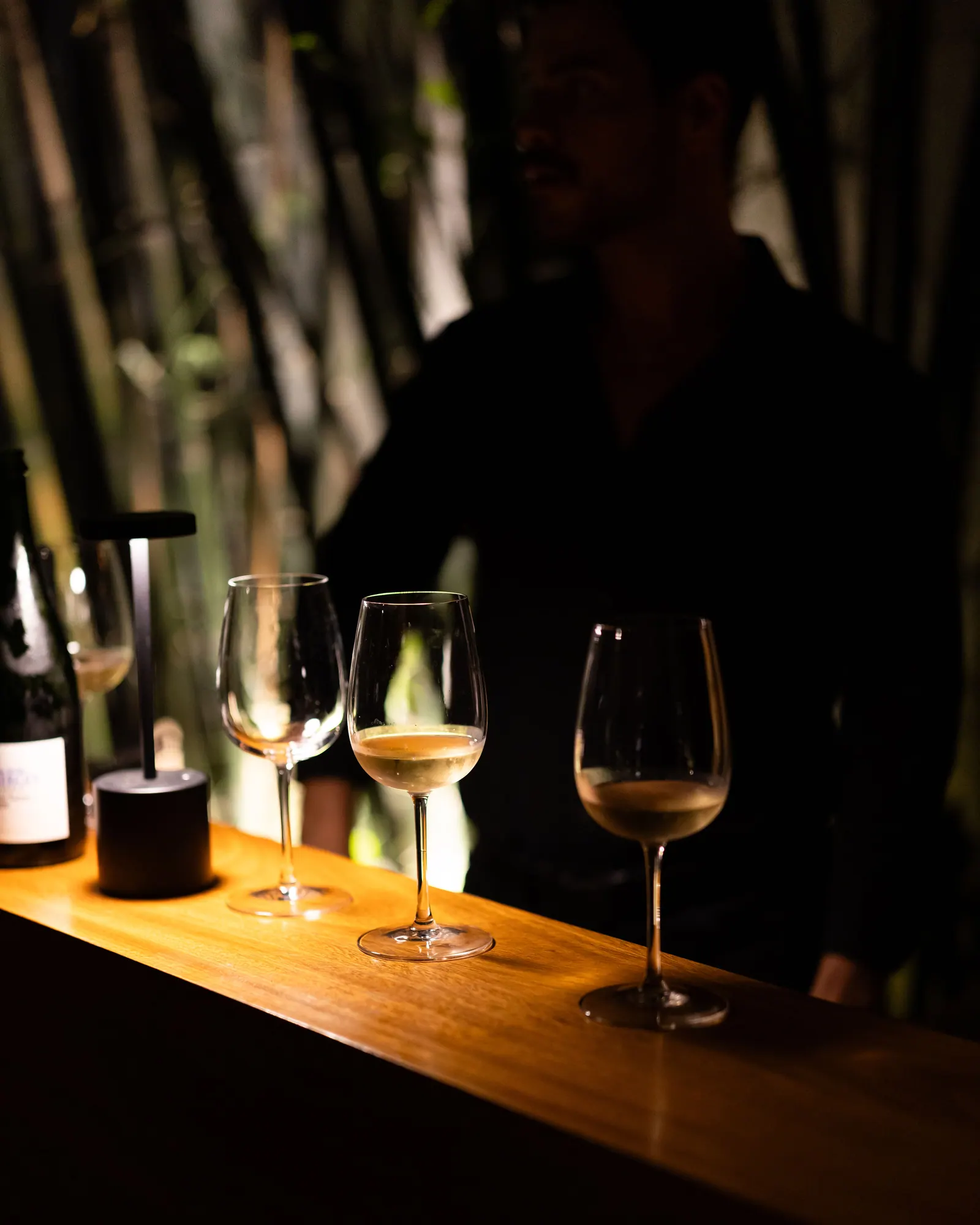
How to Plan a Chef-Led Tasting Menu in Punta Cana
A practical Punta Cana tasting-menu guide covering course rhythm, local flavor, villa constraints, guest comfort, staffing, and booking details.
Read ArticleA Seafood Dinner Timeline: From Delivery to the Table
Plan seafood delivery, refrigerator space and final cooking for a villa dinner, with an example evening schedule and a clear response to late arrivals.
Read Article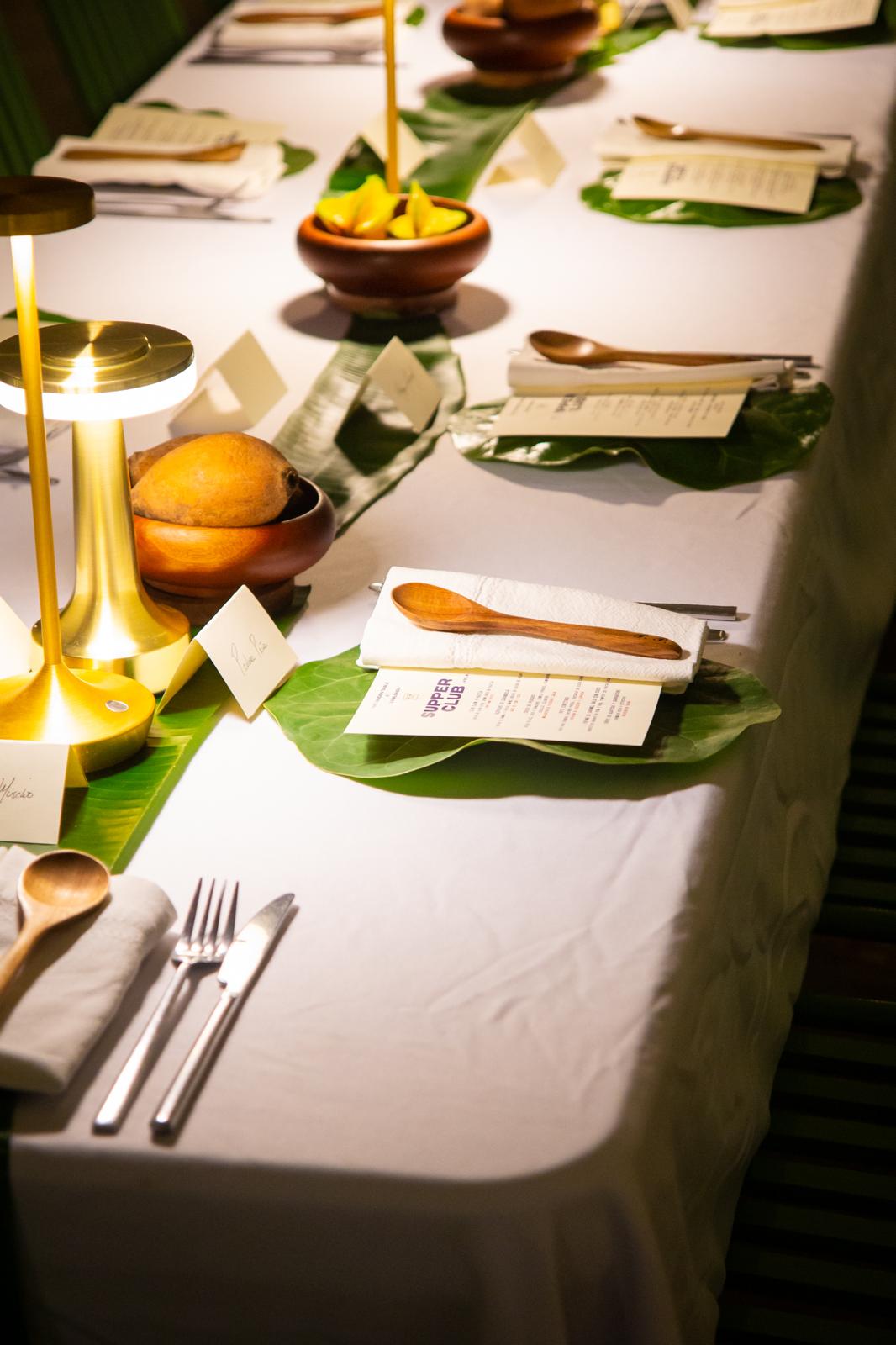
Villa Dinner Rain Plan: When and How to Move Indoors
Prepare an indoor backup for a villa dinner: seating, a covered service route, cooking changes and the decision to move before tables are set.
Read Article