
A Dominican Ingredient Menu: Pairings and Substitutions
Pair Dominican ingredients in a practical menu, then agree substitutions for ripeness, texture and cooking method before the shopping begins.
A menu built around Dominican ingredients needs decisions about flavor, texture and portion size. The aim is to combine the products guests enjoy into a coherent meal, with substitutions agreed before shopping.
Use the ingredient collection to explore individual products. This guide focuses on putting them together: how much richness to include, where to add a crisp or acidic element, and what changes when an ingredient is unavailable.
Start with the feeling of the table
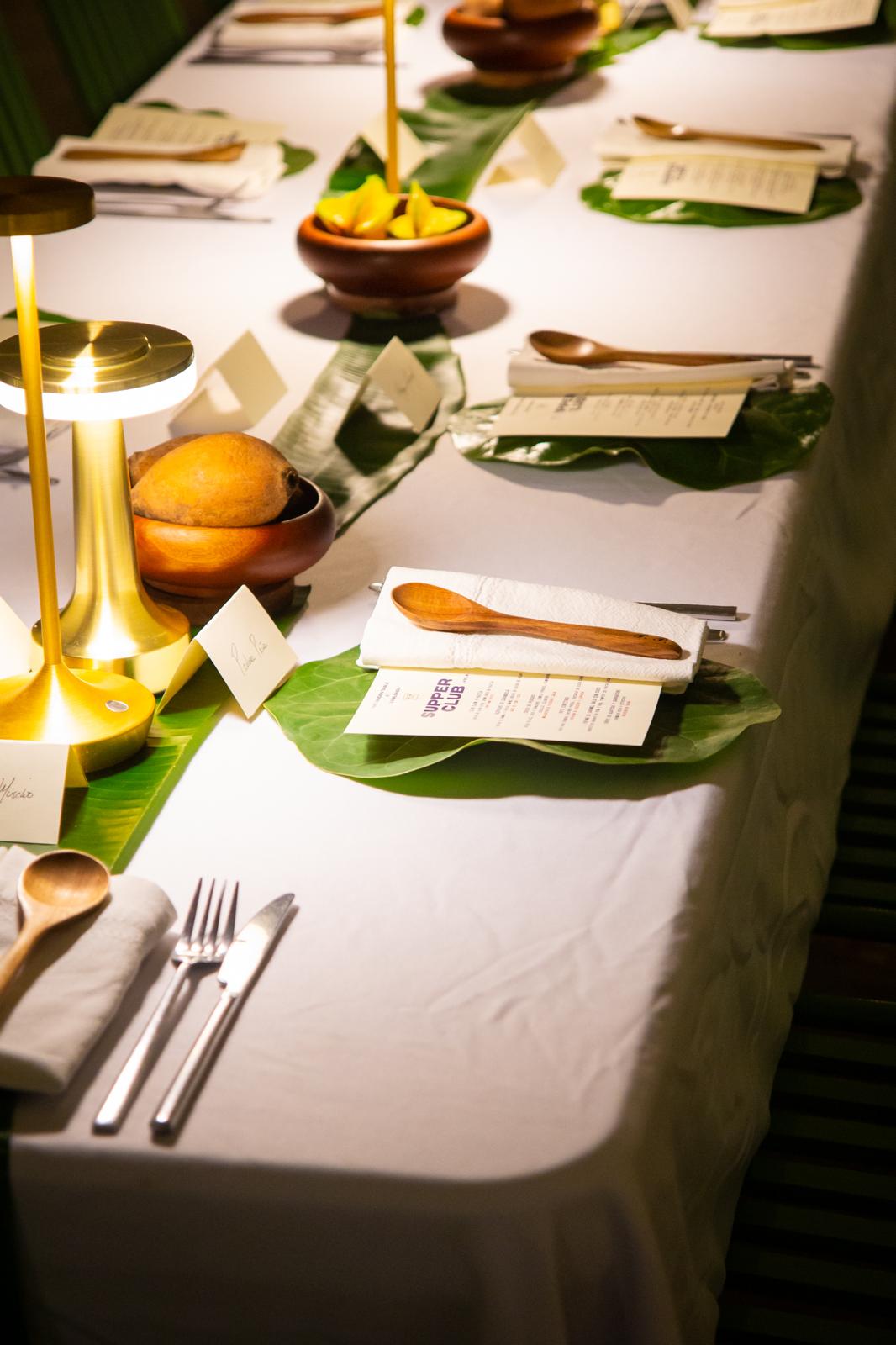
Before choosing ingredients, name the role of the meal. A welcome dinner needs warmth and forgiving timing. A birthday can handle one dramatic course. A family-style villa dinner needs abundance, familiar options for children, and enough freshness to keep the meal balanced.
That choice decides whether yuca, green plantain, coconut, cacao, seafood, herbs, or fruit belong at the center of the menu or only as supporting notes.
Use Dominican ingredients for contrast
Good Dominican ingredient planning is contrast planning. Yuca can bring comfort, but it needs acid, herbs, or crispness nearby. Coconut can make seafood feel generous, but it needs heat or citrus. Cacao can close a meal with depth, but it should not make dessert feel heavy after a rich dinner.
For a private table, the chef should be able to explain why each ingredient is there: texture, freshness, aroma, body, or service practicality. If an ingredient has no job, it is decoration.
Practical menu examples
- Arrival dinner: grilled fish, citrus, herbs, yuca or plantain on the side, and a dessert that does not keep guests waiting.
- Family villa meal: rice, beans or roots, one seafood or meat centerpiece, bright salad, and optional mild items for children.
- Chef-led tasting: one course built around a root, one around seafood or coconut, and one around cacao or fruit.
- Brunch: eggs, plantain, avocado, fruit, fresh cheese, coffee, and one warm Dominican comfort element.
What hosts should ask before approving
Ask which ingredients need special sourcing, which can be adjusted for children or dietary needs, and which dishes can hold if guests arrive late. Confirm whether the menu requires extra staff, special equipment, more refrigeration, or early kitchen access.
Build one menu, then test the substitutions
For example, start with a small crisp plantain bite and an avocado garnish. Follow with grilled fish, yuca and a citrus dressing, then finish with a modest cacao dessert. The first course supplies crunch, the main course is more substantial, and the dessert changes the flavor without repeating a coconut sauce from the previous plate. This is a proposed sequence, not a traditional fixed menu.
If the avocado is not ready to serve, choose a different garnish with the chef instead of using unripe fruit. If the fish changes, confirm the cooking method and portion before keeping the same accompaniments. Avoid treating yuca, tayota and plantain as interchangeable: their textures and preparation are different.
Send The Hidden Table the ingredients your guests enjoy and the ones they cannot eat. Ask which components are fixed and which can change after shopping. Keep the agreed substitutions with the menu so the host and kitchen approve the same dinner.
Explore the ingredients
Discover Caribbean uses, preparation tips and recipes in our ingredient library.
Next experience
Book a table with The Hidden Table
Send your date, group size, and dietary notes, or reserve the next upcoming experience to experience Aurora's cooking in person.
More Articles
How to Plan a Chef-Led Tasting Menu in Punta Cana
A practical Punta Cana tasting-menu guide covering course rhythm, local flavor, villa constraints, guest comfort, staffing, and booking details.
Read Article
Coconut and Seafood: Build Contrast Across Three Courses
Build a three-course seafood menu with a single coconut preparation, contrasting textures and a lighter dessert. Includes a practical menu example.
Read ArticleA Seafood Dinner Timeline: From Delivery to the Table
Plan seafood delivery, refrigerator space and final cooking for a villa dinner, with an example evening schedule and a clear response to late arrivals.
Read Article